Real Moment: When fear hides in unexpected places
A child I worked with was six years old and still wearing a nappy at school. He would often poo during the day, and it became increasingly difficult for him, for staff, and for the other children in the class.
We tried everything we thought might help. We used playfulness to make the toilet feel safe and inviting. We accepted his struggle without judgement, responding calmly and without fuss. There were reward charts, encouragement, and gentle praise, but nothing seemed to shift things.
What we were missing was time.
Time to slow down.
Time to listen.
Time to follow his lead.
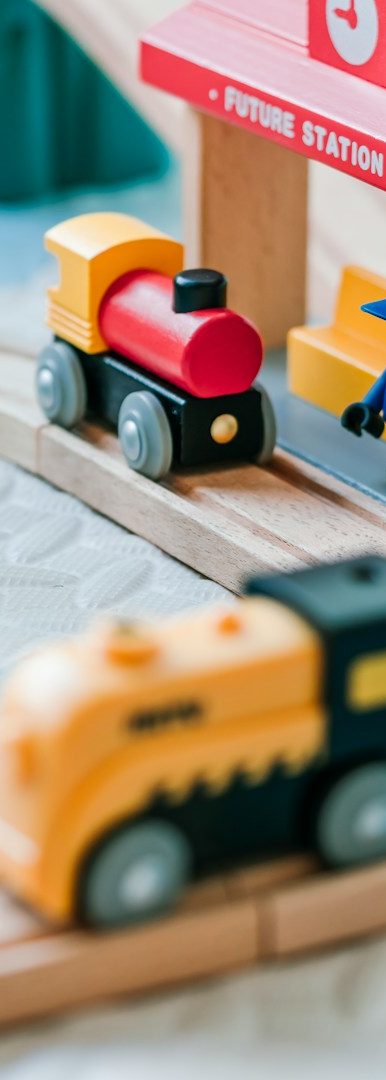
Through some quiet, child-led conversations, something important emerged. At some point, he had flushed one of his favourite toy trains down the toilet, and it was “gone forever.”
In that moment, everything made sense.
He wasn’t being resistant.
He was scared.
Scared that he might fall in.
Scared that he might be flushed away too.
No reward chart could compete with that fear.
With this understanding, we were able to respond differently.
We brought in the caretaker, who gently explained how the toilet worked what happens when you flush, and why he was safe.
It didn’t change overnight.
These things rarely do.
But slowly, with patience and reassurance, things began to shift.
And then one day, he did it.
He used the toilet independently and ran around the school proudly telling anyone who would listen that he had done a “big poop” in the toilet.
There were smiles, quiet celebrations, and a few subtle eyebrow raises to help the older children join in the moment with kindness.
It still makes me smile.
Because in the end, it wasn’t a reward chart that made the difference.
It was understanding.
Sometimes what looks like behaviour is really fear and when we take the time to understand it, everything can begin to change.
Real Moment: Holding the line, gently
Over the years, I’ve learned how important clear, consistent boundaries are for children. I’m often described as firm but fair, with a little bit of fun along the way. A bit of a Mary Poppins approach.
In my office, there is always an open door. Children know they can come in, be heard, and be supported. But there are also clear expectations. One of my non-negotiables is that we don’t use swearing in that space.
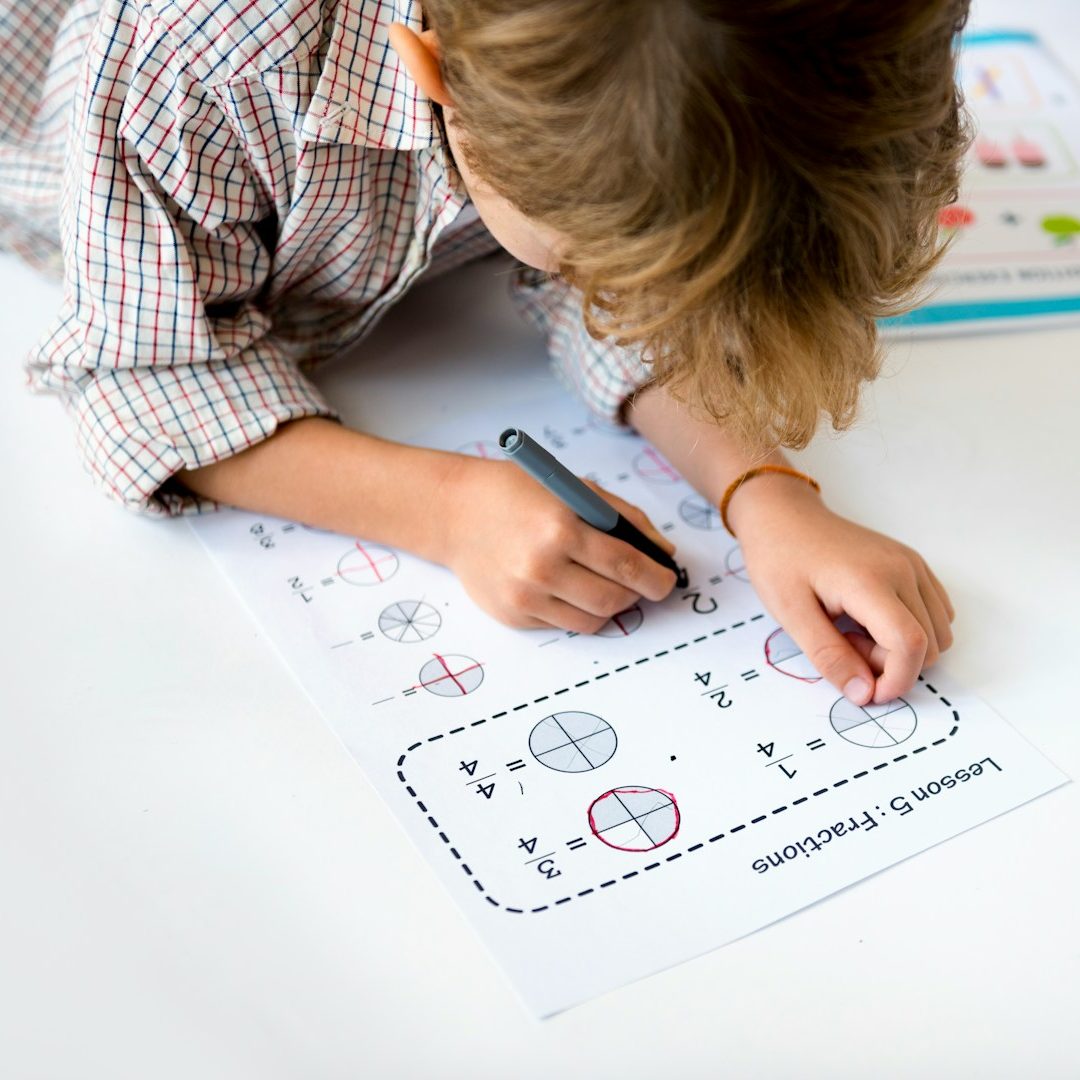
One day, a Year 1 child was brought to me. He’d been having a really difficult morning, everything felt too much, and his behaviour had escalated.
I gently asked, “How can I help?”
He began to explain, upset and overwhelmed, that his teacher was making him do maths when he didn’t want to. As he spoke, his frustration came out in the form of strong language. I calmly reminded him of the expectation in my office.
And something small, but important, happened. He paused…
Then carried on speaking, replacing the word with “f word” instead.
Even in that heightened moment, he was able to adjust. Not because he was being told off. Not because he was afraid. But because the boundary was Familiar.
Predictable.
Consistent.
He knew what was expected and he knew it would be held calmly.
Of course, there are times when children reach a point where emotions take over completely. In those moments, holding a boundary too tightly can add more pressure rather than reduce it. This is where we need to use judgement. To know when to hold the line, and when to first help a child feel safe again.
In this moment, he was overwhelmed by the task.
After some time to settle, and a quiet conversation, we found a way forward together.
A small, manageable step.
A clear plan.
A little bit of motivation.
He returned to class feeling heard, calmer, and ready to try again.It’s a moment that stayed with me. Because it reminded me that boundaries don’t need to be loud or rigid to be effective. When they are clear, consistent, and held with calmness.
Children learn that they are safe within them.
Children don’t push against boundaries because they want to break them, often, they’re checking that they’re still there.